Why Waiting Often Makes Things Worse
Many people ignore pain, stiffness, or reduced mobility, hoping the problem will disappear on its own. While minor aches may improve with rest, ongoing pain or difficulty moving can be a sign of an underlying condition that requires professional treatment.
Delaying physiotherapy often leads to longer recovery times, increased discomfort, and reduced quality of life. Whether you're recovering from surgery, managing arthritis, experiencing sports injuries, or struggling with back pain, early treatment can make a significant difference.
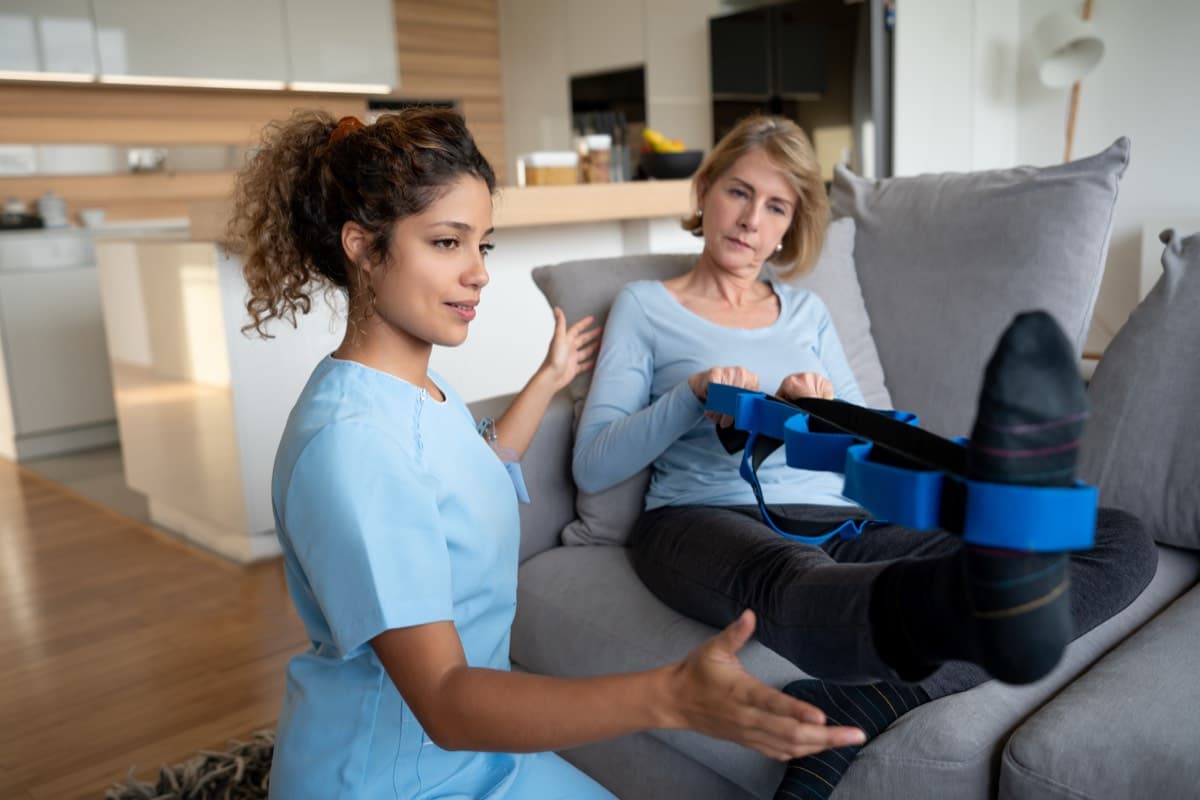
Home physiotherapy provides expert care in the comfort of your own home, making rehabilitation more convenient and personalised. Instead of travelling to a clinic, an experienced physiotherapist visits you, assesses your condition, and creates a treatment plan tailored to your needs.
Here are ten signs that indicate it's time to book a home physiotherapy appointment instead of waiting.
1. Persistent Back or Neck Pain
Back pain and neck pain are among the most common musculoskeletal conditions affecting people across the UK. If your pain lasts for more than a few days, frequently returns, or worsens while sitting, standing, or sleeping, it should not be ignored.
Poor posture, muscle strain, spinal conditions, herniated discs, or repetitive movements can all contribute to ongoing pain. Leaving these issues untreated may lead to chronic discomfort and reduced mobility.
A home physiotherapist will assess your posture, spinal movement, muscle strength, and flexibility before developing a personalised treatment plan. This may include manual therapy, stretching, strengthening exercises, and posture correction to reduce pain and prevent future problems.
Early treatment helps you recover faster and return to normal daily activities without relying solely on pain medication.
2. Difficulty Walking or Climbing Stairs
If walking has become painful or climbing stairs feels difficult, your body may be signalling a problem that requires attention. Weak muscles, arthritis, joint stiffness, previous injuries, or balance issues can all affect your mobility.
Ignoring these symptoms often causes muscles to weaken further, making everyday tasks increasingly challenging.
Home physiotherapy focuses on improving strength, coordination, balance, and walking ability through personalised exercise programmes. Your physiotherapist may also assess your home environment and suggest practical modifications to reduce fall risks and improve safety.
Improving mobility early helps maintain independence and confidence.
3. Recovering After Surgery
Rehabilitation is one of the most important stages of recovery following surgery. Whether you've had a knee replacement, hip replacement, spinal surgery, ligament repair, or fracture treatment, physiotherapy helps restore normal movement and function.
Without proper rehabilitation, stiffness, muscle weakness, and limited movement may slow your recovery.
Home physiotherapy allows you to recover comfortably without travelling to a clinic. Your physiotherapist will guide you through safe exercises, monitor your progress, reduce swelling, improve flexibility, and gradually rebuild strength.
A structured rehabilitation programme can significantly improve your recovery and help you return to everyday life more quickly.
4. Joint Pain That Doesn't Improve
Pain in your knees, hips, shoulders, elbows, or ankles should not become part of your daily routine.
Persistent joint pain may be caused by arthritis, tendon injuries, ligament problems, cartilage damage, or muscle weakness. If left untreated, these conditions may worsen and reduce your ability to perform simple daily activities.
A qualified home physiotherapist will assess your movement patterns and identify the underlying cause of your pain. Treatment often includes manual therapy, stretching, strengthening exercises, mobility training, and personalised advice to improve joint health.
Early physiotherapy can reduce inflammation, improve movement, and prevent long-term joint damage.
5. Frequent Falls or Poor Balance
Falls are one of the leading causes of injury among older adults, but poor balance can affect people of all ages.
If you frequently lose your balance, feel dizzy while walking, or have fallen recently, professional assessment is highly recommended.
Home physiotherapy helps improve balance, coordination, lower limb strength, and walking confidence through carefully designed rehabilitation programmes. Your physiotherapist may also assess your home for potential hazards and provide advice on making your environment safer.
Preventing falls before they happen is always better than treating injuries afterwards.
6. Sports or Exercise Injuries
Sports injuries such as muscle strains, ligament sprains, tendon injuries, and overuse conditions require proper rehabilitation to ensure complete recovery. Returning to physical activity too soon increases the risk of further injury.
Home physiotherapy provides personalised rehabilitation based on your injury, fitness level, and recovery goals. Treatment focuses on reducing pain, restoring flexibility, rebuilding strength, and improving movement mechanics.
Whether you're a professional athlete or someone who enjoys regular exercise, physiotherapy helps you recover safely and return stronger.
7. Limited Range of Motion
Difficulty reaching overhead, bending your knee, turning your neck, or lifting your arm may indicate reduced joint mobility. This can occur after surgery, injury, prolonged inactivity, arthritis, or muscle tightness.
Home physiotherapy uses stretching techniques, mobility exercises, manual therapy, and strengthening programmes to restore movement and improve flexibility.
Treating mobility problems early often leads to quicker recovery and helps prevent long-term stiffness.
8. Recovering from Stroke or Neurological Conditions
Stroke, Parkinson's disease, multiple sclerosis, and other neurological conditions often affect balance, muscle strength, walking ability, and coordination. Regular physiotherapy plays a crucial role in improving independence and overall quality of life.
Receiving physiotherapy at home allows patients to practise daily activities within their normal living environment while receiving personalised support.
Treatment focuses on balance training, walking practice, muscle strengthening, functional movement, and improving confidence in everyday tasks.
9. Pain Affecting Daily Activities
Pain should never stop you from enjoying life. If everyday activities such as getting dressed, cooking, working, cleaning, driving, or carrying shopping bags have become difficult, professional physiotherapy may help.
A home physiotherapist will assess the cause of your pain and create a personalised rehabilitation programme to improve movement, reduce discomfort, and restore independence.
The earlier treatment begins, the easier recovery usually becomes.
10. Pain Medication Isn't Solving the Problem
Painkillers may temporarily reduce discomfort, but they rarely address the underlying cause of the problem. Long-term dependence on medication without rehabilitation can delay recovery and allow the condition to worsen.
Physiotherapy treats the root cause through movement therapy, strengthening exercises, posture correction, education, and hands-on treatment. Rather than masking symptoms, physiotherapy helps restore normal function and supports long-term recovery.
The Benefits of Home Physiotherapy
Choosing home physiotherapy offers several advantages. You receive personalised, one-to-one treatment in the comfort of your own home, with no travel or time spent in waiting rooms. Care is built around your goals, which often means faster recovery through a customised rehabilitation plan and flexible appointment times that fit your schedule.
It is especially well suited to seniors, post-surgery patients, and anyone with limited mobility — reducing the risk of falls during travel and improving comfort and confidence throughout rehabilitation.
Why Choose FlexAura Physio UK?
At FlexAura Physio UK, we provide professional home physiotherapy services designed around your individual needs. Our experienced physiotherapists deliver evidence-based treatment for back pain, neck pain, sports injuries, post-surgery rehabilitation, neurological conditions, arthritis, and mobility problems.
We focus on helping our patients reduce pain, regain independence, improve mobility, and return to daily life as quickly and safely as possible.
When should I consider home physiotherapy?
If you have ongoing pain, reduced mobility, balance issues, difficulty walking, or are recovering from surgery or injury, home physiotherapy can help.
Is home physiotherapy suitable for older adults?
Yes. Home physiotherapy is an excellent option for seniors who find travelling difficult or need rehabilitation in a familiar environment.
Can physiotherapy help avoid surgery?
In some cases, physiotherapy may reduce symptoms and improve function, potentially delaying or avoiding surgery. Your physiotherapist can advise based on your condition.
How many sessions will I need?
The number of sessions depends on your condition, recovery goals, and progress. Your physiotherapist will create a personalised treatment plan.
Do I need a GP referral?
No. Many patients can book private home physiotherapy directly without a GP referral. Don't wait until your pain becomes worse — book your home physiotherapy appointment with FlexAura Physio UK today and take the first step towards better mobility and a healthier life.
Need Professional Help?
Find a verified, DBS-checked physiotherapist near you and book a home visit or online consultation.
Book Now