In short
Aching legs are usually caused by tired or overworked muscles, long spells of standing or sitting, cramps, varicose veins, or problems in the joints and lower back. Most leg aches ease with gentle movement, rest with your legs raised and some simple strengthening. Some leg pain is a medical matter, though, such as one swollen, painful calf, or pain that comes on when you walk and eases when you stop. A physiotherapist can help when muscles, joints or the back are behind it.
This guide is for anyone whose legs ache and hurt, and for families worried about an older parent who has started to complain of heavy, tired legs. It starts with the usual causes, then the warning signs that need a doctor first, then what you can try yourself and how a FlexAura physiotherapist can help at home or by video.
Why do my legs ache and hurt?
Leg pain has a long list of possible causes, and many of them are harmless. A physiotherapist will usually start by asking when the ache comes on, where it sits and what eases it, because those clues narrow things down more than you might expect. These are the causes we come across most often, starting with the everyday ones.
Tired muscles and new activity
If you have recently started a new class, walked further than usual, spent the weekend gardening or tackled a lot of stairs, the muscles in your legs may ache afterwards. This delayed soreness feels like a dull, tender ache that is worse when you first move and eases as you warm up. It is a normal response to unfamiliar effort, and it usually fades as your body gets used to the new activity.
Standing or sitting for long spells
Jobs that keep you on your feet, such as retail, nursing, hairdressing or teaching, often leave legs heavy and sore by the evening, especially on hard floors. Sitting for hours can do something similar, because the calf muscles are not pumping blood back up the legs the way they do when you walk. Ankles may swell slightly by the end of the day and feel better after a night's rest.
Leg cramps
A cramp is a sudden, painful tightening of a muscle, usually in the calf, and cramps often strike at night or when you are resting. They are common and usually harmless, though the muscle can feel sore afterwards. They can be linked to ageing, hard exercise, pregnancy, dehydration and some medicines. The NHS suggests regular calf stretches may help, and advises seeing a GP if cramps disturb your sleep or come with numbness or swelling.
Weak or deconditioned muscles
Leg muscles lose strength quickly when we move less, whether after an illness, a hospital stay, a fall or simply a quieter few months. Weaker muscles tire sooner, so ordinary tasks like getting up from a chair or walking to the shops leave the legs aching. Older people often describe this as legs that feel tired and heavy. Graded strengthening is the usual approach, and our article on hospital deconditioning in older people explains why it happens.
Joints and the lower back
Knee and hip osteoarthritis can cause an ache that spreads above or below the joint, often worse after activity or at the end of the day. The lower back can also send pain down the leg. Sciatica, where a nerve in the lower back is irritated, typically causes pain in the buttock and the back of the leg, sometimes with tingling or numbness into the foot. Our page on sciatica physio at home covers this in more detail.
Varicose veins, medicines and restless legs
Varicose veins can cause aching, heavy legs that feel worse after standing and better when you rest with your legs up. Some medicines can cause muscle aches or cramps, and statins are a well-known example, so mention new leg aches to your GP or pharmacist rather than stopping a medicine yourself. Restless legs syndrome causes an unpleasant urge to move the legs, usually in the evening or at night, and is worth discussing with a GP.
Leg pain by area: back of the legs, calves and feet
Where your legs hurt gives useful clues, although it never replaces an assessment. A sore back of the thigh, an aching calf and pain in both the feet and legs tend to have quite different explanations, so it helps to look at each separately.
Sore backs of the legs
Soreness at the back of the thighs is often the hamstrings, after unfamiliar exercise, a long walk downhill or a twinge during sport. A sudden sharp pain while running suggests a hamstring strain. Pain that spreads from the buttock down the back of the leg, especially with tingling, points more towards the lower back and sciatic nerve. Pain and swelling behind the knee can come from the knee joint, but a swollen, painful calf below it needs checking for a clot.
Sore lower legs and calves
Aching lower legs are often muscular, from calves working hard on walks, runs or long shifts. Runners may feel pain along the inner edge of the shin bone after increasing their training. Calf pain that comes on every time you walk a certain distance and goes away when you stop is different, as it can be a sign of narrowed arteries, so it needs a GP rather than a physio as the first step.
When your feet and legs both hurt
When feet and legs hurt together, footwear and long hours standing are common culprits, along with flat feet and tight calves. Burning, tingling or numbness in both feet, especially if you have diabetes, can point to a nerve problem and should be checked by a GP. Cold feet, shiny skin, hair loss on the legs or sores that are slow to heal can be signs of poor circulation, which also needs a doctor.
Symptoms of leg pain that need a doctor first
Some symptoms of leg pain point away from muscles and joints and need medical help before anything else. If any of the following apply, contact the right service before booking physiotherapy. A physiotherapist who spots these signs during a visit will stop treatment and help you get the right care.
- Throbbing pain and swelling in one leg, usually the calf or thigh, with red or darkened skin or swollen veins: this could be a blood clot (DVT). Ask for an urgent GP appointment or contact NHS 111.
- Leg pain or swelling together with breathlessness or chest pain: call 999 or go to A&E, as a clot may have travelled to the lungs.
- Pain in the calves, thighs or buttocks when walking that goes away after a few minutes' rest: see your GP, as this can be a circulation problem called peripheral arterial disease.
- Sudden weakness or numbness in a leg, especially with a drooping face, arm weakness or slurred speech: call 999.
- Back pain with numbness around your genitals or bottom, or new problems peeing or pooing: call 999 or go to A&E.
- A red, hot, swollen area of skin, especially with a high temperature or feeling unwell: contact your GP or NHS 111 urgently.
- Leg pain after a fall or injury where you cannot put weight on the leg: get urgent medical help.
- Swelling in both legs that does not go down overnight, or sores on the legs or feet that are not healing: see your GP.
This platform facilitates booking only. It does not provide medical advice. If you are unsure how urgent your symptoms are, NHS 111 can help you decide. The NHS page on DVT and the NHS page on peripheral arterial disease explain both conditions in more detail.
Relief for aching legs: what you can try at home
If your legs simply feel tired, heavy and achy, and none of the warning signs above apply, a few everyday habits often help. They are the ones physiotherapists suggest most often, and they work best when you keep them up most days of the week, even when your legs feel fine.
- Keep moving little and often. A short walk around the house or garden every hour or so keeps the calf muscles pumping.
- Put your feet up. Resting with your legs raised on cushions can ease heaviness, especially if you have varicose veins.
- Stretch your calves. Stand facing a wall with your hands on it and one foot behind the other, then lean forward until you feel a gentle stretch in the back calf.
- Try warmth for muscle aches. A warm bath or shower can ease general soreness, but not on a fresh injury or a swollen, red leg.
- Drink enough through the day, particularly in hot weather or after exercise.
- Wear comfortable, supportive shoes, and avoid standing in one spot for long spells where you can.
- Ask a pharmacist about pain relief for aching legs, such as paracetamol or an anti-inflammatory gel, and whether it suits you and any medicines you take.
Compression stockings help some people with vein problems, but they are not suitable for everyone, including some people with circulation problems, so only use them if a GP, nurse or pharmacist has advised them. If your legs keep aching, look at strength, because stronger legs tire less easily. Our mobility exercises for older adults at home are a gentle place to start.
UK Physio Tip: If you sit for most of the day, tie a few leg exercises to something you already do. Each time the kettle goes on, do a handful of slow heel raises holding the worktop, then some ankle circles. Over a week that adds up to a fair amount of calf work without setting aside any extra time.
Aching legs in older adults
Many older people put aching legs down to age, and muscles do change as we get older. Tired, heavy legs are often a sign that strength and stamina have slipped, though, sometimes after a spell of illness, a hospital stay or a fall. Arthritis, medicines and circulation problems also become more common later in life, which is why new or changing leg pain in an older person deserves a proper look.
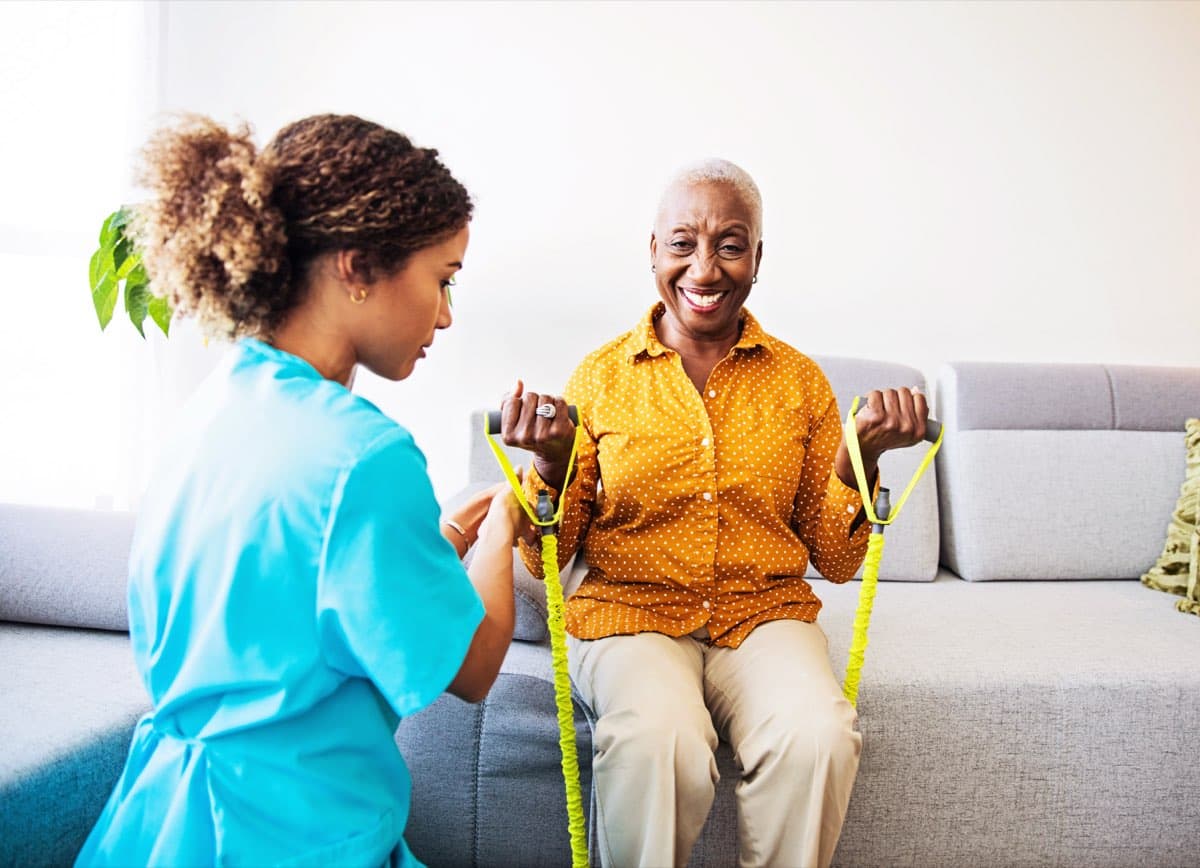
Weak, aching legs matter because they make walking harder and falls more likely. Family members often notice the early signs first: a parent who stops going out, holds onto furniture or struggles to get up from a chair. A physiotherapist can assess strength and balance at home and suggest exercises and small changes around the house. Our elderly physiotherapy at home service covers this, including visits to care homes and sheltered housing.
How a physiotherapist helps with aching legs
A physiotherapy assessment starts with your story: when the ache began, what you were doing, how it behaves through the day, your general health and any medicines. Your physio will screen for the warning signs above, then check your lower back, hips, knees and ankles, test leg strength and flexibility, and watch you walk, stand up from a chair and manage stairs. If anything suggests a circulation or medical problem, they will advise you to see your GP.
When the cause is muscular, joint-related or coming from the back, treatment is matched to what the assessment shows and to the things you want to be able to do again. It usually draws on a mix of the following.
- graded strengthening for the calves, thighs and hips, pitched at your current level
- a walking plan that builds distance or time gradually
- stretches for tight calves and hamstrings where they help
- advice on pacing busy days, breaking up long spells of standing or sitting, and footwear
- balance work if you feel unsteady
- hands-on treatment for comfort where it is appropriate
The aim is for you to understand what is going on and have a plan you can carry on with between visits. Progress varies by person, and your physiotherapist will review and adjust the plan as you go. If standing all day at work is part of the problem, some of our physios are occupational health physiotherapists who can advise on workplace and daily-task changes.
Physiotherapy for leg pain at home or online
With FlexAura, an HCPC-registered, DBS-checked physiotherapist visits you at home anywhere in England, Scotland and Wales, which helps when walking any distance is the problem. They can also see someone at a relative's home, in sheltered housing or in a care home. If you would rather start with advice, an online video consultation is available anywhere in the UK. Read more about how physiotherapy at home works.
An online consultation is £45. A home visit is £110 for the first visit and £99 for follow-ups, and a 5-session home package is £450. Prices are the same across the UK and include the physio's travel. You pay after the visit, there are no cancellation fees, and you do not need a GP referral. Full details are on our pricing page.
We match a physiotherapist to every booking and confirm who is coming and when before the visit. If nobody can come, you pay nothing. If you have private health insurance, check your policy before you book. To get started, book a physiotherapist online, call 07782 610 633 or WhatsApp us.
Why do my legs ache at night?
Night-time aching is often down to cramps, restless legs or simply a busy day on your feet. Calf stretches before bed and staying active in the day can help. See a GP if it disturbs your sleep, comes with numbness or swelling, or if your feet look pale or feel cold and the pain is worse when you lie down.
Why do the muscles in my legs ache for no obvious reason?
Common explanations include doing more or less than usual, not drinking enough, a recent viral illness, and some medicines such as statins. If the aching keeps coming back, is getting worse, or comes with weakness, a high temperature or feeling generally unwell, see your GP so they can look for a cause.
What gives relief for aching legs quickly?
A short walk, a calf stretch, resting with your legs raised and a warm bath often ease tired, achy legs. A pharmacist can advise on painkillers. If none of these help, or the ache keeps returning, an assessment can find out whether muscles, joints, the back or something else is behind it.
Should I rest or keep moving when my legs ache?
For ordinary muscle aches, gentle movement usually helps more than staying still, as long rest can leave muscles weaker. Rest and get medical advice instead if you have any of the warning signs in this guide, such as one swollen calf, breathlessness, or pain that comes on with walking and stops when you rest.
Can a physiotherapist help with leg pain?
Yes, when a sore leg is coming from muscles, joints or the lower back. A physiotherapist will also check for signs that need a doctor and tell you if they find any. You can book FlexAura directly without a GP referral, at home or online, and you pay after the visit.
Need Professional Help?
Find a verified, DBS-checked physiotherapist near you and book a home visit or online consultation.
Book Now