In short
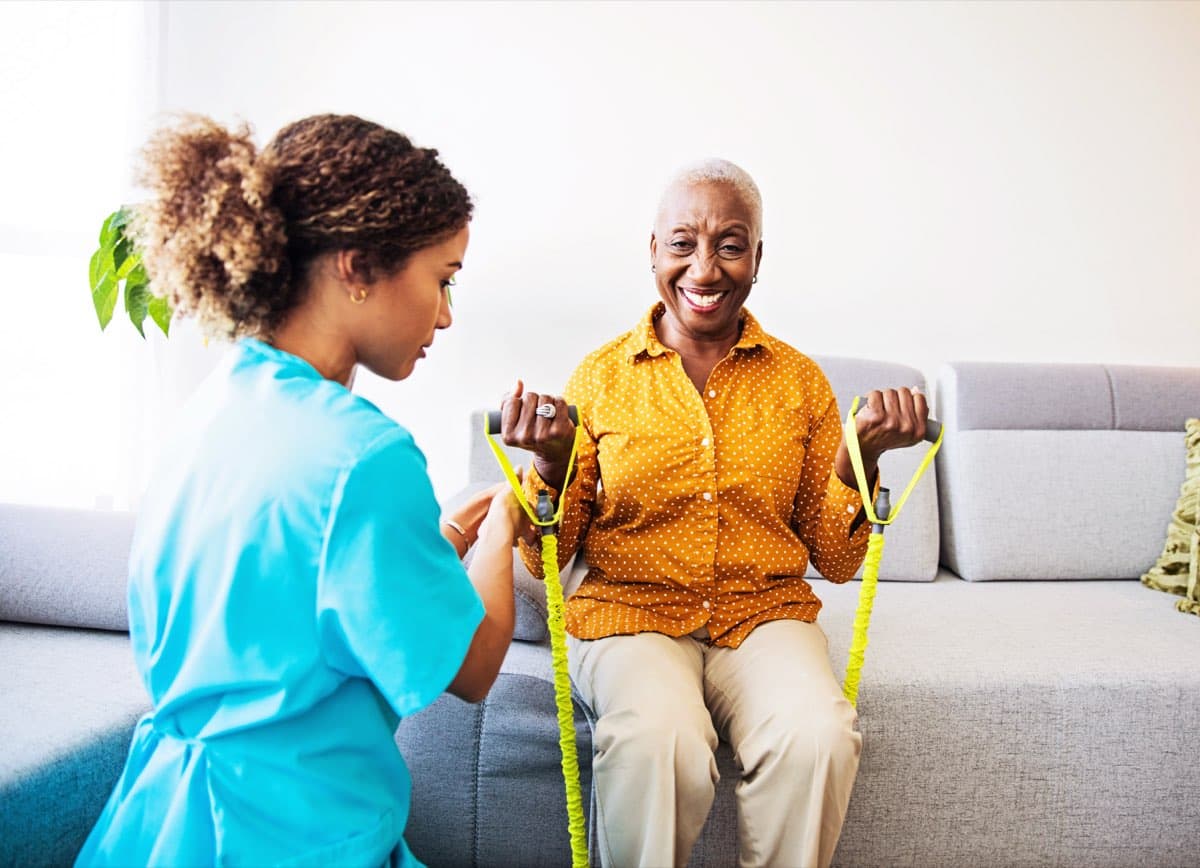
Chair exercises for elderly people are gentle movements done while seated, so the chair supports the body and the risk of losing balance is lower. They can help with keeping joints moving, muscles active and circulation going. Start slowly, move within a comfortable range, stop if something feels wrong, and check with a physiotherapist or your GP before you begin, especially after a fall, surgery or a new diagnosis.
Why seated exercise suits many older adults
Standing exercise asks a lot of balance, strength and confidence. For someone who is unsteady, recovering from illness or worried about falling, a stable chair removes much of that demand. The exercise can still be useful, because the arms, legs, trunk and neck all have plenty of work to do while seated.
Seated exercise also fits into the day easily. A few minutes after breakfast or during a television break is often more realistic than a long session. The NHS publishes its own guide to sitting exercises for general reference, and it is a sensible companion to what is covered here.
Set up the chair and your space first
A safe set-up matters more than any single exercise. Choose a sturdy, stable chair with a firm seat and no wheels. A dining chair is usually better than a soft armchair or a sofa, because you can sit tall and keep both feet flat on the floor.
- Place the chair against a wall or on a non-slip surface so it cannot slide.
- Sit towards the front of the seat with your back tall, feet flat and knees roughly level with your hips.
- Wear supportive shoes or non-slip socks, and keep a drink and your phone within reach.
- Clear loose rugs and cables from the floor around you.
Seated exercises a physio might show you
The movements below are general examples of the kind of seated work physiotherapists often use. They are not a prescription. Move slowly, breathe normally rather than holding your breath, and keep every movement comfortable. A little effort is fine; sharp pain is a reason to stop.
Ankle pumps and circles
Sit tall and lift one foot slightly off the floor. Point your toes away, then pull them back towards you, as if pressing a pedal. Then draw slow circles with your foot in each direction. This keeps the ankle moving and is a gentle way to get the lower legs active, particularly after a long period of sitting.
Seated knee extensions
Hold the sides of the chair for support. Slowly straighten one knee so your foot comes out in front of you, pause briefly, then lower it with control. Repeat with the other leg. This works the thigh muscles that help with standing up from a chair and walking.
Seated marching
Keeping your back tall, lift one knee a little way, lower it, then lift the other as if walking on the spot. Use the chair arms or seat edge for support if you need it. Marching is a simple way to move the hips and warm up the legs before other exercises.
Shoulder rolls and arm raises
Roll your shoulders up, back and down in a slow, smooth circle, then reverse the direction. Next, raise your arms forward and up only as far as feels comfortable, then lower them gently. If you have shoulder pain or a restricted range, stay below the point where it hurts and mention it to your physiotherapist.
Gentle trunk turns
Sit tall with your arms folded across your chest or resting on your thighs. Turn your upper body slowly to one side, return to the centre, then turn to the other side. Keep your hips facing forward and your feet on the floor. Trunk movement helps with everyday actions such as looking behind you or reaching for a seatbelt.
Sit-to-stand practice
Standing up from a chair is one of the most useful daily movements, but it needs more balance than the others here. Only try it if you are confident, with the chair against a wall and something stable in front of you, and ideally with another person nearby. If you are unsure, ask a physiotherapist to assess how you do it first.
UK Physio Tip: Quality beats quantity. Slow, controlled movements with good posture usually do more for you than rushing through a long list. If you can chat comfortably while exercising, you are likely working at a sensible level; if you are gasping or in pain, ease off.
How often and how hard
There is no single right amount for everyone. Many people do better with short, regular sessions than occasional long ones, and it is sensible to build up gradually over days and weeks rather than doing too much at once. How much suits you depends on your health, your medication and what you are used to.
Finish each session by sitting quietly for a minute and taking a few slow breaths. If you feel dizzy, unusually breathless or very tired afterwards, do less next time and let a professional know, because your programme may need adjusting.
Who should check first
Chair exercises are generally low risk, but they are not right for everyone in every situation. Speak to a physiotherapist or your GP before starting if any of the following apply.
- You have had a recent fall, fracture or operation.
- You have a heart or lung condition, or blood pressure that is not well controlled.
- You have dizziness, osteoporosis, severe arthritis or ongoing joint pain.
- You have a neurological condition such as stroke or Parkinson's disease.
When to stop and seek help
Stop exercising if you feel chest pain, severe breathlessness, faintness or sharp pain. Call 999 or see a GP urgently for chest pain, sudden weakness or numbness, loss of bladder or bowel control, or a suspected stroke. Do not wait to see whether symptoms settle. This platform facilitates booking only. It does not provide medical advice.
How home physiotherapy can help
A leaflet or a list online cannot see how you actually move. With physiotherapy at home, an HCPC-registered, DBS-checked physiotherapist can watch you in your own chair and your own living room, then adjust the exercises to your strength, balance and goals. That is hard to get from general advice.
Our home visit physiotherapy service covers the whole UK, and online video consultations are also available. If balance is your main concern, see our guides to balance exercises for elderly people at home and falls prevention physiotherapy at home, which cover different ground from this page.
An online consultation costs £45, and a home visit costs £110 for the first visit and £99 for a follow-up, with a 5-session home package at £450. You pay after the visit and there are no cancellation fees. Full details are on our pricing page.
To arrange a visit, choose Book a Physiotherapist, call 07782 610 633 or WhatsApp us. We are rated 5.0 on Google.
Frequently asked questions
Are chair exercises good for elderly people?
They can be a safe, accessible way to stay active, because the chair gives support and lowers the risk of losing balance. Whether they suit you depends on your health, so check with a physiotherapist or GP first if you have a medical condition or have recently had a fall or surgery.
What chair exercises can seniors do every day?
Gentle movements such as ankle pumps, seated marching, shoulder rolls and trunk turns are commonly used. Daily practice is fine for many people if it feels comfortable, but a physiotherapist can advise on the right mix and amount for you.
Can chair exercises help prevent falls?
Keeping the legs, hips and trunk active supports the strength and movement you need for everyday tasks. However, chair exercises alone do not remove fall risk. A physiotherapist can assess your balance and suggest a fuller plan.
Can I do chair exercises if I have arthritis?
Many people with arthritis do gentle seated movement, staying within a comfortable range. Pain that is sharp or lingers afterwards is a signal to stop and get advice. A physiotherapist can adapt the exercises to your joints.
Can a physiotherapist teach chair exercises at home?
Yes. A home visit lets a physiotherapist see you in your own chair and space, check your technique and tailor the movements to you. Online video consultations are also available.
Need Professional Help?
Find a verified, DBS-checked physiotherapist near you and book a home visit or online consultation.
Book Now