Surgery Is Only the First Step
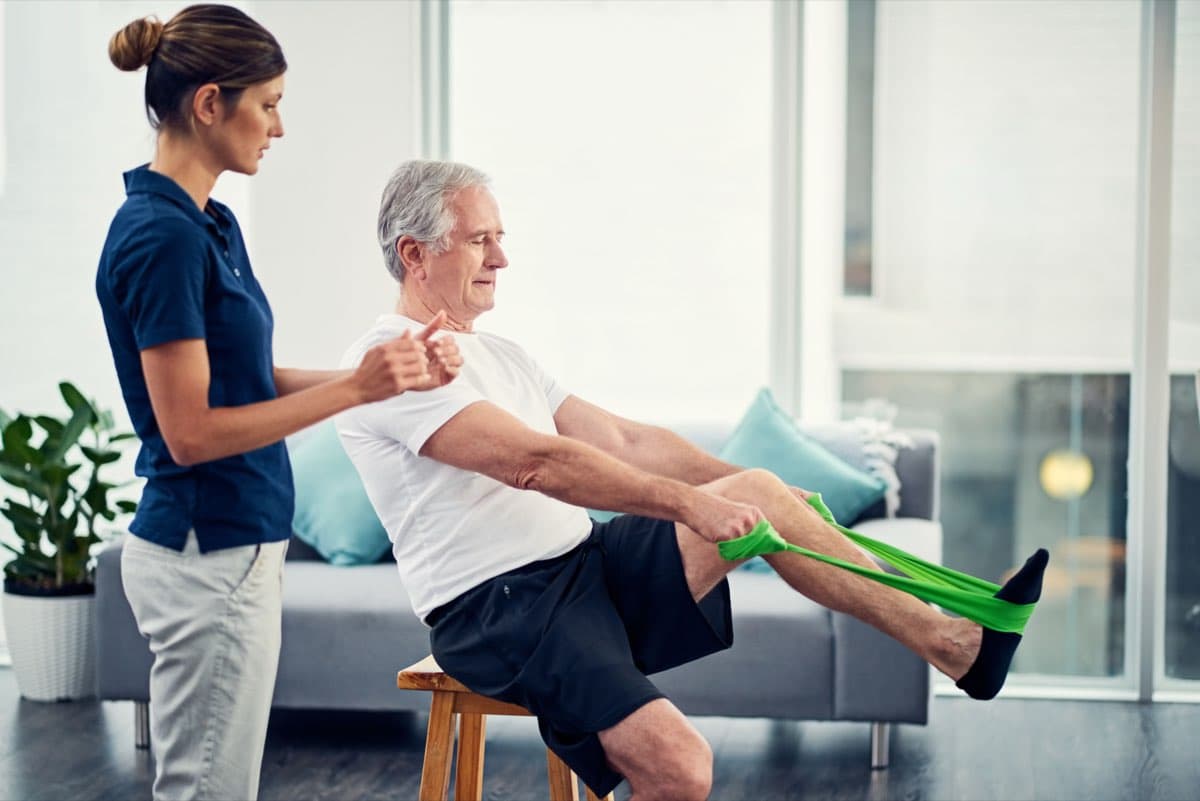
Knee replacement surgery is one of the most effective treatments for people suffering from severe knee pain caused by osteoarthritis, rheumatoid arthritis, injury, or long-term joint damage. The procedure can significantly reduce pain and improve your quality of life, but the surgery itself is only the first step. A successful recovery depends on proper rehabilitation, and physiotherapy plays a vital role in helping you regain strength, mobility, and confidence.
Many patients find travelling to a clinic difficult after surgery due to pain, swelling, or limited mobility. This is where home physiotherapy after knee replacement surgery offers a valuable solution. Receiving treatment in your own home allows you to recover in a comfortable, familiar environment while receiving personalised care from a qualified physiotherapist.
At FlexAura, we provide expert home physiotherapy across the UK, helping patients recover safely and effectively after knee replacement surgery. Our personalised rehabilitation programmes are designed to reduce pain, improve movement, rebuild strength, and support your return to everyday activities.
Why Is Physiotherapy Important After Knee Replacement Surgery?
A knee replacement replaces the damaged surfaces of the knee joint, but it does not automatically restore your strength or mobility. After surgery, it is common to experience swelling, stiffness, muscle weakness, and difficulty walking. Without appropriate rehabilitation, these problems can delay recovery and affect your long-term results.
Physiotherapy helps restore the knee's range of motion, strengthens the muscles around the joint, improves balance, and teaches you how to move safely during recovery. It also helps prevent complications such as joint stiffness, muscle loss, poor walking patterns, and an increased risk of falls.
A structured rehabilitation programme allows you to recover gradually while protecting your new knee joint. Following your physiotherapist's advice and completing regular exercises can make a significant difference in achieving the best possible outcome.
Why Choose Home Physiotherapy After Surgery?
Travelling to appointments after surgery can be uncomfortable and challenging, particularly during the first few weeks of recovery. Home physiotherapy removes the need for travel by bringing professional rehabilitation directly to your home.
Receiving treatment in your own environment allows your physiotherapist to understand your daily routine and identify practical challenges you may face. They can help you move safely around your home, climb stairs, get in and out of bed, stand up from chairs, and perform everyday activities with greater confidence.
Home physiotherapy also offers one-to-one attention, personalised treatment, flexible scheduling, and the opportunity for family members or carers to become involved in your recovery. This tailored approach often leads to better outcomes and a more positive rehabilitation experience.
What Happens During Your Home Physiotherapy Sessions?
Your first session begins with a detailed assessment. Your physiotherapist will review your medical history, discuss your surgery, assess your pain levels, measure your knee movement, evaluate muscle strength, observe your walking pattern, and understand your personal recovery goals.
Based on this assessment, a personalised rehabilitation programme will be developed specifically for you. Every treatment plan is tailored to your recovery stage and adjusted as your mobility improves.
Your sessions may include gentle exercises to improve flexibility, muscle strengthening exercises, balance training, walking practice, stair training, and functional exercises that help you perform everyday tasks safely. Manual therapy techniques may also be used when appropriate to reduce stiffness and improve joint movement.
Throughout your rehabilitation, your physiotherapist will monitor your progress, answer your questions, and modify your treatment programme to ensure steady improvement while protecting your new knee.
Restoring Strength and Mobility
Following knee replacement surgery, the muscles surrounding your knee become weaker due to reduced activity and the healing process. Strengthening these muscles is essential for protecting your new joint and improving your mobility.
Your rehabilitation programme focuses on rebuilding strength in the quadriceps, hamstrings, calves, and hip muscles. Strong muscles provide better support for the knee, improve balance, and reduce stress on the artificial joint.
Flexibility exercises help restore your ability to fully bend and straighten the knee — making everyday activities such as walking, sitting, standing, driving, and climbing stairs much easier. As your recovery progresses, your physiotherapist gradually introduces more advanced exercises to improve endurance, stability, and confidence.
Managing Pain During Recovery
Some discomfort after knee replacement surgery is normal, but pain should gradually decrease as healing progresses. Physiotherapy helps manage pain naturally through carefully guided exercises, improved circulation, and gradual movement.
Rather than relying only on medication, rehabilitation addresses the underlying causes of pain such as stiffness, muscle weakness, and limited joint movement. As your mobility improves, many patients experience greater comfort and improved confidence in using their new knee.
Your physiotherapist will also provide advice on pacing activities, using ice or heat when appropriate, and managing discomfort safely throughout your recovery.
Improving Walking and Everyday Activities
Walking confidently is one of the main goals after knee replacement surgery. Initially, many patients require walking aids, but physiotherapy helps you gradually return to independent walking as your strength and balance improve.
Your physiotherapist will help you improve your posture, walking pattern, weight distribution, and overall movement. You will also learn safe techniques for climbing stairs, standing up from chairs, getting in and out of bed, and moving around your home.
As your confidence grows, everyday activities such as shopping, gardening, socialising, and returning to hobbies become easier and more enjoyable.
Your Recovery Timeline
Every recovery is unique, but most patients follow a similar pattern.
During the first two weeks, the main focus is reducing pain and swelling while beginning gentle movement exercises. Walking short distances with support and improving knee flexibility are key priorities.
Between weeks three and six, patients usually begin rebuilding muscle strength, improving balance, and increasing their walking distance. Many everyday activities become easier during this stage.
From six to twelve weeks, most patients continue improving their endurance, mobility, and confidence. Walking becomes more natural, and many patients resume normal household activities.
Although significant progress is often achieved within three months, recovery continues for several more months — some patients continue improving for up to a year after surgery.
Tips for a Successful Recovery
Successful rehabilitation requires consistency and patience. Complete your prescribed exercises every day, even if progress feels gradual — staying active while avoiding excessive strain helps improve strength and mobility.
Maintain a healthy diet and drink enough water to support healing, and follow your surgeon's advice regarding medication and wound care.
Attend every physiotherapy session and discuss any concerns with your physiotherapist. Avoid rushing your recovery, as doing too much too soon may increase discomfort or delay healing. Listening to your body while remaining committed to your rehabilitation programme is one of the best ways to achieve long-term success.
Common Mistakes to Avoid
Many patients unknowingly slow their recovery by avoiding movement because they fear pain. Gentle, guided movement is essential for preventing stiffness and improving mobility.
Skipping exercises or attending physiotherapy inconsistently can delay progress — rehabilitation works best when exercises are performed regularly.
Using walking aids incorrectly or stopping their use too early may increase the risk of falls. Always follow your physiotherapist's guidance.
Increasing pain, redness, swelling, or signs of infection should never be overlooked. Contact your healthcare professional if you notice any unusual symptoms.
Frequently Asked Questions
How soon should I start physiotherapy after knee replacement surgery? Most patients begin physiotherapy within 24 to 48 hours after surgery, depending on their surgeon's advice. Early rehabilitation helps improve mobility, reduce stiffness, and support a faster recovery.
Is home physiotherapy better than going to a clinic? Home physiotherapy is often more convenient during the early stages of recovery. It eliminates the need to travel and allows your physiotherapist to tailor treatment to your home environment and daily activities.
How long does recovery take after knee replacement surgery? Most patients make significant progress within 6 to 12 weeks, while full recovery may take between 6 and 12 months depending on individual circumstances.
How many physiotherapy sessions will I need? The number of sessions varies based on your recovery, overall health, and goals. Your physiotherapist will assess your progress and recommend the appropriate treatment plan.
Can physiotherapy help reduce pain after knee replacement surgery? Yes. Physiotherapy helps reduce pain and stiffness by improving joint movement, strengthening muscles, and promoting better circulation during recovery.
What exercises are included in knee replacement rehabilitation? Exercises may include knee bending and straightening, muscle strengthening, balance training, walking practice, stair climbing, flexibility exercises, and functional activities tailored to your recovery.
When can I walk without a walking aid? This varies from person to person. Your physiotherapist will guide you on when it is safe to reduce or stop using walking aids based on your strength, balance, and progress.
Is home physiotherapy suitable for older adults? Yes. Home physiotherapy is particularly beneficial for elderly patients, providing safe, personalised rehabilitation without the need to travel.
Do I need a GP referral to book home physiotherapy? In many cases, you can arrange home physiotherapy directly without a GP referral. However, some insurance providers may require one.
Start Your Recovery with FlexAura
Recovering from knee replacement surgery is a gradual process that requires commitment, patience, and the right rehabilitation programme. Choosing home physiotherapy allows you to recover safely and comfortably while receiving personalised care in your own home — improving your mobility, regaining your independence, and enjoying a better quality of life.
At FlexAura Home Physio UK, all our physiotherapists are HCPC-registered and DBS-checked, and with over 150 physiotherapists across the UK we provide evidence-based, one-to-one rehabilitation with flexible appointment scheduling and compassionate support throughout your recovery journey.
If you or a loved one is recovering from knee replacement surgery, book your home physiotherapy appointment online or call us on 07782 610 633 and take the first step towards a stronger, healthier, and more confident recovery.
Need Professional Help?
Find a verified, DBS-checked physiotherapist near you and book a home visit or online consultation.
Book Now