In short
Muscle pain is very common and most often comes from using muscles in a new or harder way, from tension and stress, from poor sleep or from a viral illness. Most aches settle with gentle movement and time. Muscle pain that keeps returning, lasts more than a few weeks, or starts after a new medicine is worth discussing with a GP. A physiotherapist can help when aches are recurring or long-lasting.
Why do muscles ache?
A muscle can hurt for many everyday reasons, and the cause often becomes clear from when the ache started and what you were doing beforehand. Working out which pattern fits you is the first step towards easing it. The sections below cover the most common reasons, from the obvious to the harder-to-spot.
Common causes of muscle pain
Overuse and new or harder exercise
Muscles that have done more than they are used to often ache for a day or two afterwards. This is common after starting a new class, lifting heavier, a long walk, a big day of gardening or decorating, or returning to sport after a break. The ache is usually spread across the worked muscles and feels stiff rather than sharp.
Strains and tears
A strain tends to come on during a specific movement, such as sprinting, lifting or twisting. The pain is usually in one place and may feel sharp at the time, with tenderness afterwards. Some strains cause bruising or swelling. A strain that limits normal movement is worth having assessed rather than pushing through.
Tension, stress and posture
When you are stressed or sitting in one position for long periods, muscles in the neck, shoulders and back can stay tightened for hours. The result is a dull, tight ache that builds through the day. Desk work, driving and looking down at a phone are common triggers, and the upper back and shoulders are the usual places to feel it.
Poor sleep
Short or broken sleep can leave your body feeling sore and heavy, and aches can feel stronger when you are tired. An unsupportive position overnight can also leave a stiff muscle in the morning. If aches and poor sleep feed each other, it helps to treat both rather than only the ache.
Viral illness
Muscle aches are a familiar part of many viral illnesses, such as flu. They usually affect the body widely and come with other symptoms like a temperature, tiredness or a sore throat. Rest and fluids are the usual advice, and the aches normally ease as you recover from the illness itself.
Muscle aches with no clear reason
Sometimes muscles ache without any obvious trigger, or the aches seem to be there most days. This is worth taking seriously, because the cause is not always in the muscle itself. Medicines, illness, low mood, stress and long periods of inactivity can all play a part, and a GP can look for underlying causes.
Some medicines can cause muscle aches as a side effect. If your aches began after starting a new medicine, speak to a GP or pharmacist. Never stop a medicine without that advice. Blood tests and diagnosis are for a GP, who can decide whether anything further needs checking.
What helps muscle pain at home
For most everyday aches, staying gently active is more helpful than complete rest. Short walks, easy stretching and moving through a comfortable range keep muscles from stiffening. The NHS advises keeping active with muscle and joint pain where you can, and you can read more on the NHS muscle pain page.
- Keep moving gently and build activity up gradually, rather than stopping altogether.
- Use warmth for tight, stiff muscles if you find it comfortable.
- Vary your position through the day and take short breaks from sitting.
- Aim for regular sleep and make time to wind down, as stress can keep muscles tense.
- Return to harder exercise in steps, and warm up before you start.
UK Physio Tip: Keep a short note for a week of when the ache starts, what you were doing and how you slept. Patterns such as aches after desk days or after certain workouts make it much easier for a physiotherapist or GP to help you.
When to see a GP or get urgent help
Most muscle pain is not serious, but some signs need prompt attention. Call 111 or go to A&E if muscle pain comes with a high temperature or you feel very unwell, with severe weakness, or with dark brown urine. Call 999 or seek urgent help for chest pain, sudden weakness or numbness, loss of bladder or bowel control, or a suspected stroke.
See a GP if aches started after a new medicine, last more than a few weeks, or keep coming back. This platform facilitates booking only. It does not provide medical advice.
How physiotherapy helps recurring muscle pain
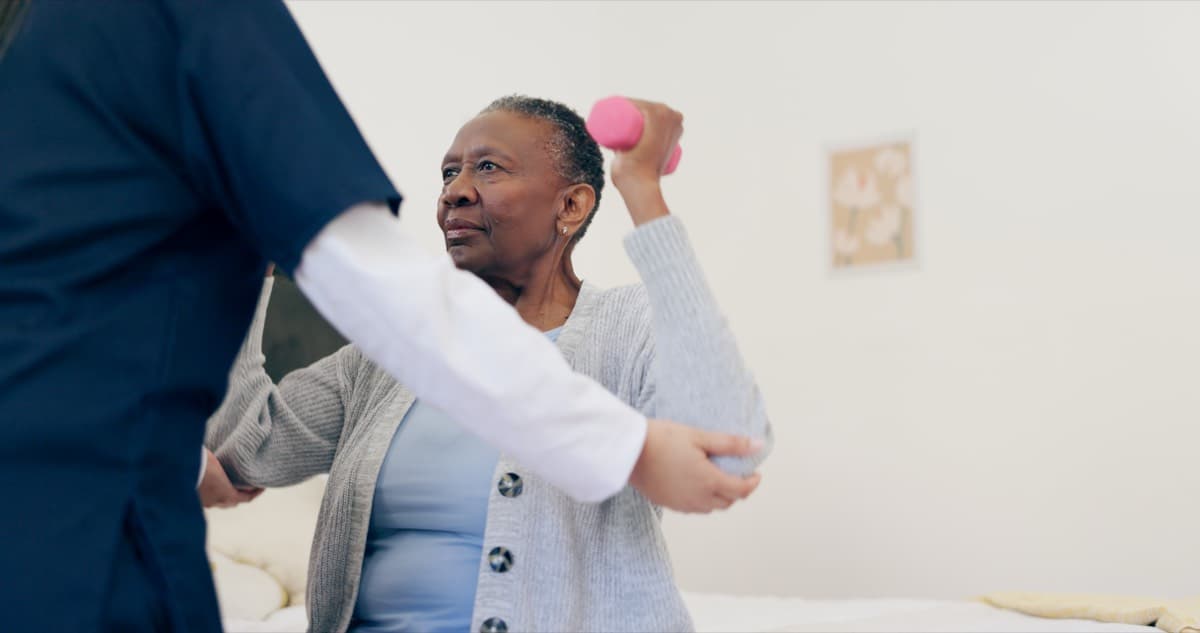
When aches keep returning or hang around, a physiotherapist looks at how you move, sit, work and exercise to find what keeps loading the muscle. They then give you a plan that may include hands-on treatment, targeted exercises and advice on pacing activity. Recovery varies by person, and your physio will adjust the plan as you go.
Some muscle pain is specific to one area. If your aches are mainly in the legs, see our guide to aching legs. For tension across the upper back and neck, read about trapezius muscle pain. Pain lasting for months is covered in our guides to chronic pain physiotherapy and persistent pain and fibromyalgia.
Physiotherapy at home or online
FlexAura's HCPC-registered, DBS-checked, insured physiotherapists visit patients at home anywhere in the UK, and online video consultations are also available. Seeing you in your own space means your physio can look at how you sit, move and work. You can read more about physiotherapy at home.
An online consultation costs £45. A home visit costs £110 for the first visit and £99 for a follow-up, and a 5-session home package is £450. Patients pay after the visit, and there are no cancellation fees. Full details are on our pricing page. FlexAura is rated 5.0 on Google.
If muscle pain is getting in the way of work, sleep or exercise, you can Book a Physiotherapist online, call 07782 610 633 or WhatsApp us.
Common questions about muscle pain
Why do my muscles ache for no reason?
Aches with no clear trigger can follow poor sleep, stress, a recent illness, a change in activity or a new medicine. If they last more than a few weeks or keep coming back, see a GP, who can look for underlying causes.
Is it better to rest or keep moving with muscle pain?
For most everyday aches, gentle movement helps more than long rest. Build activity up gradually and ease off if something sharply increases the pain. Seek advice if the pain is severe or does not settle.
Can medicines cause muscle aches?
Some can. If your aches started after a new medicine, speak to a GP or pharmacist. Do not stop taking a medicine without their advice.
When should I worry about muscle pain?
Call 111 or go to A&E if it comes with a high temperature, severe weakness or dark brown urine, or if you feel very unwell. Call 999 for chest pain, sudden weakness or numbness, or a suspected stroke.
Can a physiotherapist help with muscle pain?
Yes, particularly when aches recur or last. A physiotherapist can assess what keeps loading the muscle and set out exercises and advice. Your GP remains the right person for diagnosis and blood tests.
Need Professional Help?
Find a verified, DBS-checked physiotherapist near you and book a home visit or online consultation.
Book Now